

Blog
What Is Lederhosen and Why Is It So Popular?

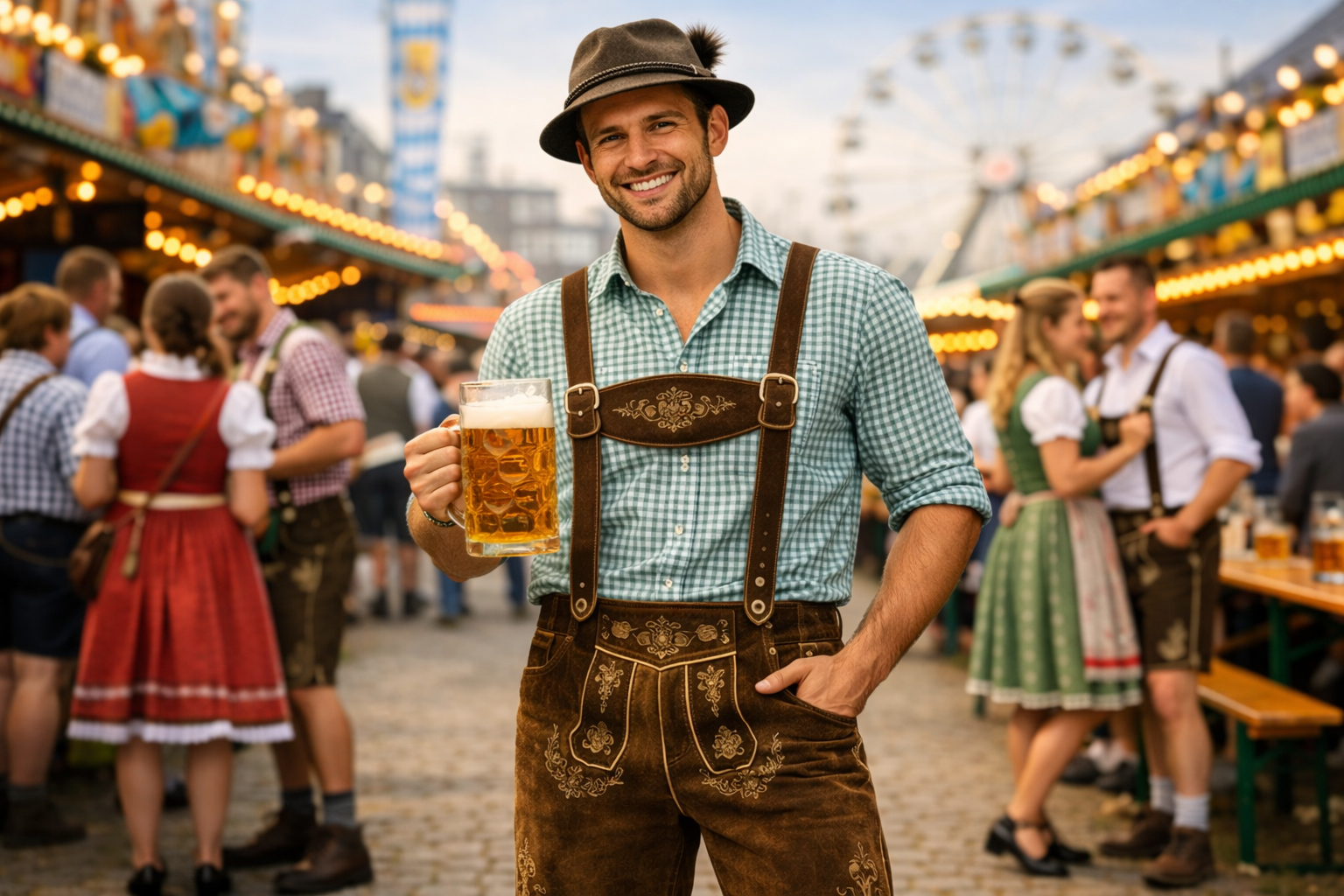
A Traditional Outfit That Still Gets Attention Everywhere
Lederhosen is one of the most recognizable garments in Traditional Bavarian clothing. Known for its rich heritage, durable material, and timeless appearance, it has remained a symbol of Alpine culture for generations. Although many people first notice lederhosen during Oktoberfest celebrations, its story goes far beyond festivals and costume fashion. It represents history, craftsmanship, function, and identity in a way that very few traditional garments can achieve.
Today, lederhosen continues to attract attention from people who appreciate authentic German attire, cultural fashion, and premium leather clothing. Its popularity comes from a combination of visual appeal, practical design, and deep cultural roots. Whether worn at folk festivals, heritage events, themed weddings, or modern celebrations, lederhosen still holds a strong place in both traditional and contemporary wardrobes.
Understanding What Lederhosen Really Is
Lederhosen is a traditional form of Bavarian legwear made from leather, usually designed in short or knee-length styles. The word comes from German, with leder meaning leather and hosen meaning trousers. While many people casually describe it as leather shorts, true lederhosen is much more than that. It is a historic garment that reflects the lifestyle and traditions of Alpine communities, especially in Bavaria and parts of Austria.
What gives lederhosen its special identity is the complete design rather than just the material. A classic pair often includes decorative embroidery, front flap construction, sturdy buttons, and suspenders that complete the look. It is usually worn with a traditional shirt, knee socks, and Bavarian shoes. The outfit has a practical structure, but it also carries a refined rustic charm that makes it stand out from everyday clothing. That balance between usefulness and beauty is one of the reasons it remains so admired.
From Mountain Workwear to Cultural Pride
Long before lederhosen became known around the world, it was valued for very practical reasons. Men in Alpine regions wore it because leather was strong, dependable, and suitable for physical work. Farmers, hunters, and laborers needed clothing that could endure outdoor life, rough terrain, and changing weather. Lederhosen met those needs well, which is why it became a reliable part of daily life in mountain communities.
Over time, its purpose began to expand. What was once mainly workwear slowly became associated with local identity and regional tradition. Communities started wearing it at gatherings, celebrations, and public events. As folk culture became more important in preserving Bavarian customs, lederhosen grew into a respected symbol of heritage. It stopped being only about usefulness and became something people wore with pride. That historical journey is a major reason why lederhosen still carries so much meaning today.
Why This Garment Never Feels Outdated
One of the biggest reasons lederhosen remains popular is that it does not depend on short-lived fashion trends. It has a timeless quality that comes from tradition rather than seasonal styling. Clothing trends often change quickly, but garments with strong cultural roots tend to last much longer because they represent something deeper than appearance alone. Lederhosen belongs to that category. It has survived because people do not wear it only to follow fashion. They wear it to express identity, celebrate tradition, and enjoy a distinctive look that always feels recognizable.
Its design also helps it avoid feeling outdated. The leather texture, embroidered details, and structured shape give it a classic presence that does not lose appeal over time. Even when modern versions introduce updated fits or cleaner finishes, the garment still remains connected to its roots. That ability to stay traditional while also appealing to modern tastes gives lederhosen an advantage that many other heritage garments do not have.
The Craftsmanship Behind the Look
A well-made pair of lederhosen is not simply cut and stitched like ordinary casual wear. It reflects careful workmanship, strong materials, and attention to small details that shape the final appearance. Genuine leather is one of the most important elements because it provides both structure and durability. Depending on the style, makers may use goat suede, cowhide, or other premium leathers that offer a balance of softness and strength. This choice of material plays a big role in how the garment looks, feels, and ages over time.
The decorative side of lederhosen is just as important as the practical side. Embroidery is often used to add character and regional style, while suspenders and front panels give the garment its unmistakable traditional identity. These details are not random additions. They are part of the visual language of Bavarian clothing. When done well, they make lederhosen look authentic rather than costume-like. That craftsmanship is one of the main reasons people still value it today, especially when they want clothing that feels meaningful and well made.
- Made from genuine leather such as goat suede, cowhide, or deerskin
- Often includes traditional embroidery and front flap detailing
- Commonly styled with suspenders for an authentic Bavarian look
- Strong, durable, and suitable for repeated wear
- Becomes more comfortable as the leather adjusts over time
- Available in short and knee-length traditional styles
- Easy to pair with Bavarian shirts, socks, and shoes
- Reflects heritage, craftsmanship, and timeless character
More Than Festival Wear
Many people first come across lederhosen because of Oktoberfest, but reducing it to festival clothing would miss its true importance. Lederhosen is deeply tied to cultural life in Bavaria and surrounding regions. It appears at family gatherings, traditional ceremonies, folk performances, and local celebrations where heritage still plays an important role. In these settings, it represents continuity and respect for regional customs.
Outside its home region, the garment has also gained popularity as a statement piece for occasions that call for something memorable and rooted in tradition. People wear it to themed weddings, community events, heritage festivals, and cultural parties because it creates a strong impression. It brings personality to an outfit in a way that standard formalwear often cannot. That wider use has helped lederhosen remain relevant beyond its traditional origins.
What Makes Lederhosen So Appealing to Modern Buyers
Modern buyers often look for clothing that feels authentic, durable, and visually distinctive. Lederhosen satisfies all three of those qualities. It offers something rare in today’s market: a garment with history that still feels wearable and impressive. Instead of blending into ordinary fashion, it stands apart with a look that feels confident and recognizable. That strong identity is attractive to people who want more than just another outfit for an event.
There is also a growing appreciation for clothing that reflects craftsmanship instead of mass production. Lederhosen fits that preference naturally. Genuine leather, embroidered panels, and traditional construction give it a sense of value that many modern garments lack. Buyers often see it as more than a one-time purchase because a quality pair can last through repeated use and still maintain its charm. That sense of lasting worth adds to its modern appeal.
The Lasting Power of Cultural Storytelling
Clothing becomes much more powerful when it tells a story, and lederhosen does that exceptionally well. The moment someone puts it on, the outfit communicates a connection to place, tradition, and celebration. It tells a story about Alpine life, Bavarian customs, and the endurance of regional identity in a fast-changing world. People are naturally drawn to garments that carry meaning, and that is one reason lederhosen continues to hold attention far beyond Germany.
This storytelling effect also makes it popular in photography, travel experiences, and social media. A lederhosen outfit instantly creates a sense of occasion. It feels festive, traditional, and visually rich, which is why it appears so often in cultural campaigns and Oktoberfest imagery. The garment has become both a personal style choice and a symbol that represents a larger tradition. That dual role helps keep it alive in modern culture.
Comfort, Strength, and Wearability in One Garment
At first glance, some people assume leather clothing must feel heavy or restrictive, but quality lederhosen usually offers a better experience than expected. Good leather softens with time and begins to adjust to the wearer’s shape, which can make the garment feel more comfortable after repeated use. This natural shaping process is one reason people often prefer genuine leather over artificial alternatives. The fit improves with wear, creating a more personal and natural feel.
Strength is another major advantage. Lederhosen was originally made for demanding use, so durability remains built into its identity. Strong seams, thick leather, and functional construction mean it can handle long hours at festivals and repeated seasonal wear. This mix of comfort and toughness is rare. Many garments look attractive but wear out quickly, while lederhosen offers both visual appeal and long-term practicality. That combination continues to make it a smart and admired choice.
Why Oktoberfest Helped It Reach the World
There is no doubt that Oktoberfest played a huge role in taking lederhosen from regional tradition to international recognition. As the festival became famous worldwide, people began to associate the garment with celebration, music, hospitality, and Bavarian identity. Visitors wanted to experience the event more fully, and wearing traditional clothing became part of that experience. Lederhosen naturally became one of the most desired pieces because it looked authentic and instantly connected the wearer to the festival atmosphere.
Still, Oktoberfest only explains part of its popularity. The festival created visibility, but the garment itself kept the interest alive. If lederhosen were poorly designed or uncomfortable, it would not have maintained such strong demand. Instead, it continued to appeal because it offered real character, quality, and cultural depth. Oktoberfest may have introduced it to the world, but the garment’s own strengths are what kept it popular.
A Style That Balances Heritage and Personality
Lederhosen remains attractive because it allows the wearer to step into tradition without losing individuality. The basic structure may be classic, but there is still room for personal preference through leather tone, embroidery style, suspenders, shirts, and accessories. Some outfits lean strongly toward historical authenticity, while others take a slightly more modern approach. This flexibility allows people to enjoy the garment in a way that suits their personality while still respecting its roots.
That balance is important because modern buyers do not always want clothing that feels stiff or overly ceremonial. Lederhosen manages to feel traditional without becoming distant. It has warmth, texture, and character. It feels alive rather than formal in a cold sense. That emotional quality gives it lasting charm and helps explain why people continue to choose it for meaningful occasions.
How to Recognize a Better Pair of Lederhosen
A better pair of lederhosen usually stands out through material, finishing, and overall balance. Genuine leather should feel rich and natural, not overly shiny or synthetic. The garment should have enough structure to hold its shape but still show flexibility that suggests comfort over time. Fine embroidery, secure stitching, and well-attached hardware also indicate better craftsmanship. These details do not just improve appearance. They also improve durability and overall wearability.
Fit matters as well. Lederhosen should feel supportive and shaped without looking overly tight or awkward. A quality pair sits well on the body and complements the rest of the outfit rather than overpowering it. When the design, material, and fit come together properly, the result feels authentic and confident. That is what separates true traditional-inspired quality from something that only imitates the look.
Why People Keep Coming Back to It
People keep returning to lederhosen because it offers a rare mix of meaning and style. It is rooted in heritage, but it does not feel locked in the past. It feels festive without being careless, traditional without being dull, and bold without needing to be excessive. Few garments manage to offer all of that at once. This is why lederhosen often becomes more than just a one-time outfit purchase. For many, it becomes a piece they value and look forward to wearing again.
Its lasting appeal also comes from the experience attached to it. People often wear lederhosen during happy moments such as festivals, family gatherings, and cultural celebrations. Those memories become connected to the garment itself, making it even more meaningful. In that sense, lederhosen is not only popular because of how it looks. It is popular because of how it feels to wear and what it represents.
Final Thoughts
Lederhosen is popular because it stands at the meeting point of tradition, craftsmanship, and personality. It began as practical Alpine clothing, but it grew into a respected symbol of Bavarian culture and a globally recognized festive garment. Its durable leather construction, distinct design, and strong cultural background have helped it stay admired across generations.
What truly makes lederhosen special is that it does not rely on trend-driven appeal. Its popularity comes from authenticity, visual strength, and emotional connection. It tells a story, honors tradition, and still feels relevant in modern settings. That is why lederhosen continues to be worn, celebrated, and appreciated by people around the world.